Hire UI UX Designer to Transform Your Brand Across Every Digital Channel
Let’s face it, your website is your digital storefront, your first impression, and sometimes your only shot at capturing a customer’s attention.
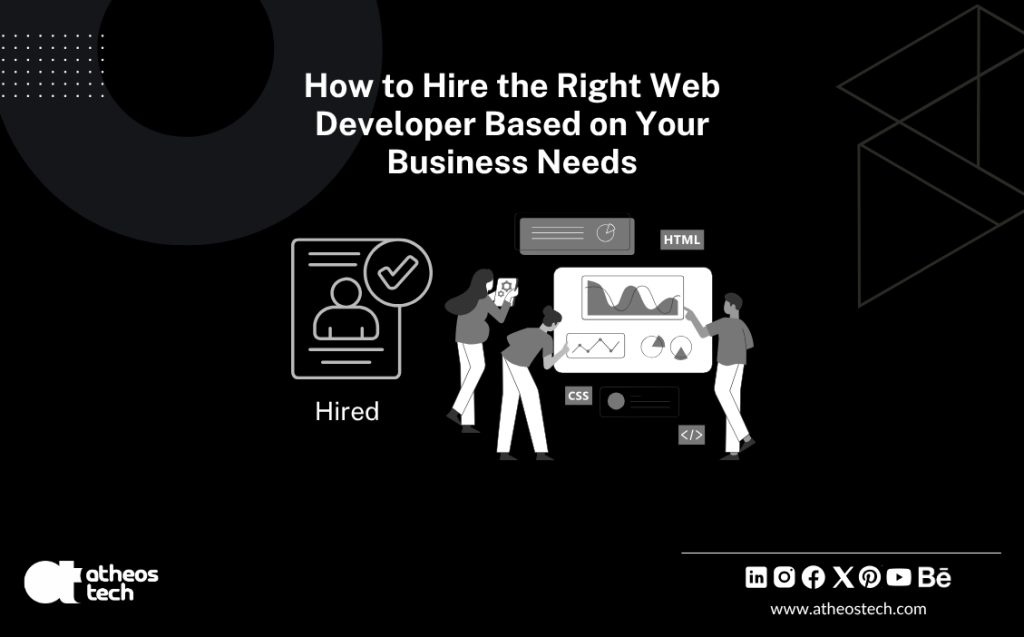
Whether you’re launching a new brand, upgrading an outdated site, or building the next unicorn startup, the right developer can make or break your vision.
But here’s the kicker: not all website developers are created equal.
Some specialize in the design side, others live and breathe backend code. Some are jacks-of-all-trades, while others are razor-focused specialists.
So, how do you decide what kind of website developer you actually need?
You’re in the right place. Let’s break it down so you can make a confident decision and get moving fast because your competitors aren’t waiting.
Before we dive into the types of developers, it’s important to take a moment and ask yourself:
Let’s break down a few common goals:
| Goal | Features | Ideal Developer |
|---|---|---|
| Business website | Home, About, Services, Contact | Frontend / Full-Stack Developer |
| eCommerce | Product pages, Cart, Payments | Full-Stack or Specialized eCommerce Developer |
| SaaS product | Login system, User dashboards, API integrations | Backend Developer + Frontend Developer |
| Portfolio site | Visual design, gallery, contact form | Frontend Developer |
| Blog or media site | CMS integration, categories, SEO | WordPress Developer or Full-Stack |
Knowing the kind of project you have in mind is half the battle. From here, we can match your needs to the right developer type.
Now let’s get into the nitty-gritty. Here’s a breakdown of the kinds of developers you might consider when you hire a web developer.
These are the artists of the web world. They’re responsible for how your site looks and feels, everything your users interact with.
Ideal when design, user experience, and branding are top priorities.
The wizards behind the curtain. Backend developers deal with data, databases, and logic, all the heavy lifting that users don’t see.
Want someone who does it all? Full-stack developers handle both frontend and backend development. They’re a great one-stop solution if you’re building something from scratch.
Best choice for startups or businesses that need full development from start to finish.
If you’re planning to use a content management system like WordPress, you’ll want a specialist who knows the ins and outs of that platform.
Great for blogs, e-commerce, and business websites with regular content updates.
Once you know the type of developer you need, the next question is: where do you find them?
Pros:
Cons:
If you’re on a budget or have a tight timeline, a freelance web developer hire might be your best option.
Pros:
Cons:
Great if you need a full-fledged solution and don’t want to manage everything yourself.
Pros:
Cons:
Ideal for startups and tech companies building a product as their main offering.
It’s easy to get wowed by portfolios and buzzwords, but keep your eyes peeled for these red flags:
Pro Tip: Ask for a test task or start with a small milestone before going all in.
Still not sure who to pick? Need a second opinion or someone to map out your tech needs?
You don’t just want someone who can write code. You want someone who understands your business.
Look for developers who:
A developer who only follows instructions is a coder. A developer who collaborates and solves problems is a partner.

Here’s a quick 5-step checklist to help you narrow it down:
Don’t wait until things break to look for the right talent. Start early. Your business deserves better than a rushed job.
Choosing the right developer isn’t just about technical skills. It’s about alignment, communication, and vision. When you take the time to hire smart, you don’t just build a website. You build momentum.
So don’t settle. Don’t delay.
When you’re ready to hire a web developer, make sure they’re not just good with code. Make sure they’re great for your business.
Because at the end of the day, it’s not just about launching a site. It’s about growing a brand.
Let’s get started. Your future customers are waiting.
Loved it? Didn’t love it? Hit us with your thoughts - we wanna hear all the juicy deets!
Adding {{itemName}} to cart
Added {{itemName}} to cart