- AtheosTech
The Complete Guide to Blockchain & Web3 Development for Businesses
A Business-First Roadmap to Building Secure, Scalable, and Decentralized Digital Ecosystems
Key Takeaways
Key Takeaways
- Blockchain development services create secure, transparent, and tamper-proof digital ecosystems for modern enterprises.
- Web3 represents the decentralized evolution of the internet, powered by blockchain technology and smart contracts.
- Smart contracts and decentralized applications dApps automate processes and reduce the need for intermediaries.
- Blockchain-based systems enhance security, enable secure transactions, and support real-time business operations.
- Successful adoption depends on the right blockchain platform, strong architecture, and continuous security audits.
Why Blockchain and Web3 Matter for Businesses
Blockchain and Web3 development are reshaping how digital systems operate across industries. Traditional platforms rely on centralized databases, third-party verification, and manual reconciliation. These structures introduce inefficiencies, security risks, and trust gaps.
Blockchain technology replaces centralized trust with cryptographic verification and consensus mechanisms. Every transaction is recorded, verified, and stored across distributed nodes, creating systems that are transparent, auditable, and resilient. Web3 extends this model by enabling decentralized ownership, digital assets, and peer-to-peer interaction at scale.
For businesses, blockchain development is no longer experimental. It is a foundational layer for secure transactions, automated operations, and future-ready digital infrastructure.
Understanding Blockchain Technology
Blockchain is a distributed ledger that records transactions across multiple nodes in a network. Each transaction is grouped into blocks, and these blocks are linked chronologically to form a chain. Once validated, data becomes immutable and tamper-proof.
Blockchain technology ensures that records remain consistent across the network. Any attempt to alter data requires consensus from the majority of nodes, making unauthorized modification practically impossible. This structure enhances security and trust in digital environments.
Blockchain platforms operate under different access models:
- Public blockchains allow open participation, transparency, and decentralization. These networks support digital assets and decentralized ecosystems.
- Private blockchains restrict access to authorized participants. Enterprises use these networks for internal operations, compliance, and data control.
- Consortium blockchains share governance across multiple organizations, balancing decentralization with enterprise oversight.
Choosing between public and private models depends on regulatory requirements, performance expectations, and data sensitivity.
Consensus Mechanisms and Network Integrity
Consensus mechanisms validate transactions and maintain network agreement. Common approaches include Proof of Work, Proof of Stake, and Delegated Proof of Stake DPoS.
Delegated proof of stake (dPOS) assigns validation responsibilities to elected nodes, improving scalability and transaction speed. These mechanisms enable cost-effective and energy-efficient blockchain development while maintaining security.
Consensus mechanisms ensure that blockchain applications remain trustworthy and resistant to manipulation.
Smart Contracts: Automating Trust
Smart contracts are self-executing programs stored on the blockchain. These contracts automatically enforce rules when predefined conditions are met. Once deployed, smart contracts execute exactly as written.
By automating contract execution, businesses reduce manual intervention, administrative delays, and operational errors. Smart contracts play a central role in blockchain app development, powering decentralized finance, supply chain automation, and digital governance systems.
Decentralized Applications (dApps)
Decentralized applications operate on blockchain platforms rather than centralized servers. These applications use smart contracts for logic and distributed storage for data.
Smart contracts and decentralized applications dApps enable transparent operations, high availability, and resistance to censorship. Blockchain applications built as dApps deliver trustless interaction across participants in real-world scenarios.
What Is Web3 Development?

Web3 development focuses on building applications and platforms on decentralized blockchain infrastructure. Unlike traditional web systems, Web3 applications prioritize data ownership, cryptographic identity, and peer-to-peer interaction.
Web3 systems integrate wallets, tokens, and blockchain protocols to create ecosystems where users interact directly with applications and each other. This architecture supports digital assets, decentralized governance, and permissionless innovation.
A Web3 Development Company specializes in building scalable, secure, and user-friendly decentralized systems aligned with enterprise goals.
Evolution of the Internet: Web1 to Web3
Web1 consisted of static websites with limited interactivity. Content publishing and consumption defined this era.
Web2 introduced social platforms, cloud services, and user-generated content. Centralized entities controlled data storage, monetization, and platform rules.
Web3 shifts control from platforms to networks. Users retain ownership of data and digital assets, while blockchain technology ensures transparency and trust.
This evolution represents a structural change in digital infrastructure rather than a simple upgrade.
Web3 Infrastructure and Blockchain Networks

Core Blockchain Platforms
Web3 development relies on robust blockchain platforms:
enables smart contracts and decentralized applications across finance, identity, and digital ownership.
emphasizes performance and cost-effective transactions with Ethereum compatibility.
improves scalability through Layer 2 solutions, reducing transaction fees and latency.
delivers high throughput and real-time processing for data-intensive applications.
focuses on sustainability and formal verification using proof-of-stake consensus mechanisms.
Layer 2 scaling solutions extend blockchain capacity while maintaining security guarantees.
The Role of Web3 Wallets
Web3 wallets connect users to blockchain networks. These wallets store private keys, manage digital assets, and authorize transactions.
Popular wallets include MetaMask, Trust Wallet, Coinbase Wallet, Argent, and Rainbow. These tools enable secure transactions, identity management, and interaction with decentralized applications.
Wallets are essential components of Web3 ecosystems, supporting both usability and security.
Key Components of Blockchain Architecture
Blocks and Chains
Blocks store transaction data and link sequentially through cryptographic hashes. This structure ensures chronological consistency and immutability.
Nodes
Nodes maintain copies of the blockchain ledger. Distributed nodes validate transactions and preserve network integrity.
Blockchain Data Structures
Merkle Trees
Merkle trees enable efficient verification of large datasets. They allow rapid detection of tampering within transaction records.
Hash Functions
Hash functions convert data into fixed-length cryptographic values. These functions link blocks securely and protect data integrity.
Business Benefits of Blockchain Development
Enhanced Security
Blockchain-based systems enhance security through decentralization, encryption, and immutability. Secure transactions occur without reliance on centralized databases.
Transparency and Auditability
Every transaction remains traceable and verifiable in real time. This transparency improves trust across
stakeholders.
Real-World Business Use Cases
Finance and Payments
Blockchain app development supports cross-border payments, digital assets, and automated settlements with reduced latency.
Supply Chain Management
Blockchain applications provide end-to-end visibility, provenance tracking, and compliance assurance.
Blockchain Development Services Explained
Blockchain development services include:
- Blockchain consulting and use-case analysis
- Blockchain app development and system integration
- Smart contract development and audits
- Blockchain platform deployment and optimization
- Ongoing maintenance and performance monitoring
Blockchain consulting services help organizations select the right architecture and implementation strategy.
Selecting the Right Blockchain Partner
Leading blockchain development companies deliver end-to-end solutions with strong security practices. A blockchain development agency evaluates scalability, compliance, and long-term viability.
Enterprises often engage a blockchain development company in the USA to align with regulatory and data governance standards. A reliable blockchain app development company emphasizes user-friendly design and robust architecture.
Security Audits and Governance
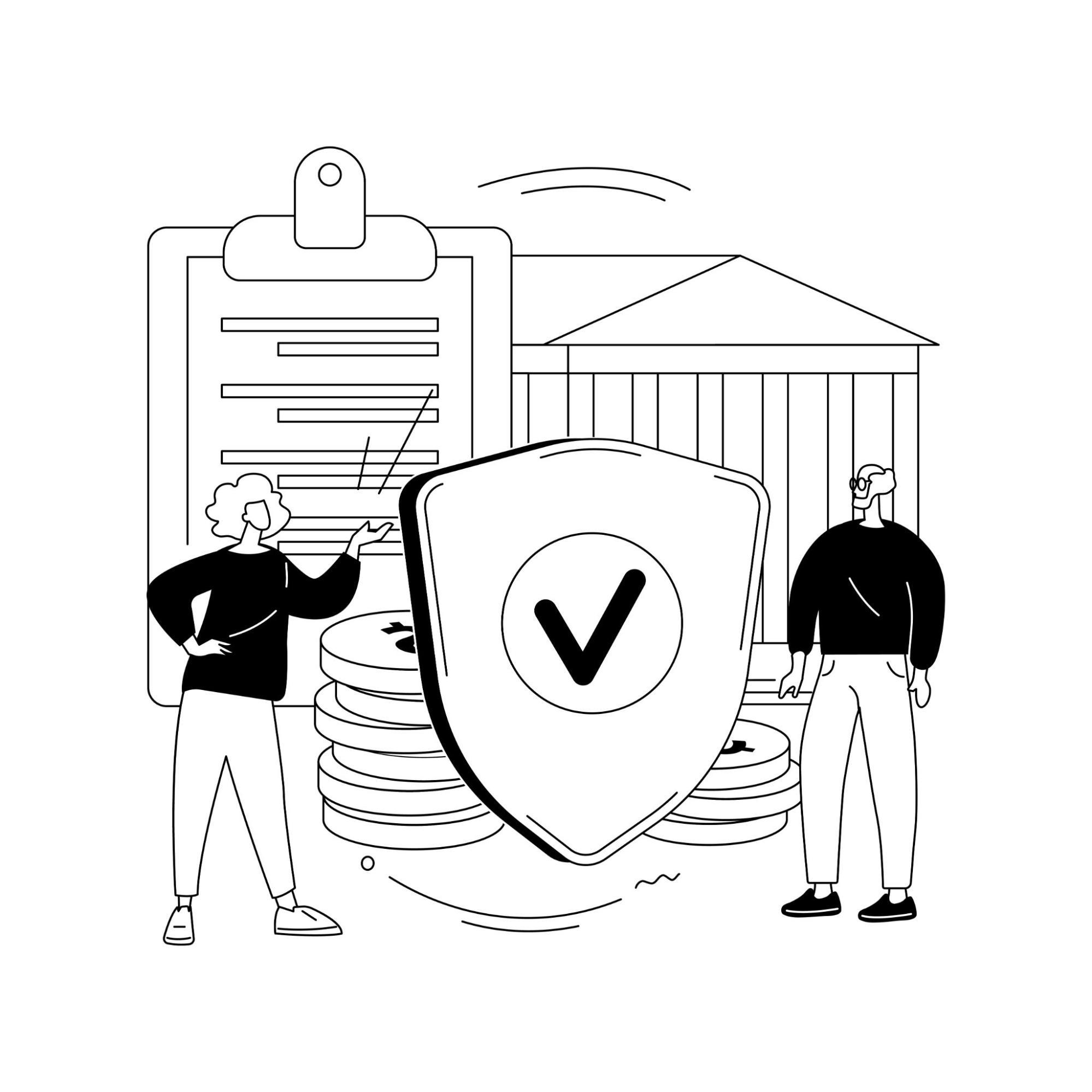
Security audits are critical for blockchain systems. Smart contracts and applications undergo rigorous testing to prevent vulnerabilities.
Key practices include code reviews, penetration testing, network monitoring, and compliance controls. Strong governance frameworks protect digital assets and maintain system integrity.
Measuring ROI and Long-Term Value
Blockchain initiatives generate value through cost reduction, faster processing, improved transparency, and enhanced security. Measuring these outcomes ensures alignment with business objectives.
Blockchain technology evolves from experimental innovation to strategic infrastructure when performance metrics demonstrate tangible impact.
The Future of Blockchain and Web3
Blockchain and Web3 adoption continue to accelerate as scalability improves and user experience matures. Hybrid models integrating blockchain with enterprise systems are becoming standard.
Blockchain development will serve as the core digital infrastructure across finance, supply chains, identity, and digital commerce.
Final Perspective
Blockchain and Web3 development redefine trust, security, and ownership in digital ecosystems. Through smart contracts, decentralized applications, and secure blockchain platforms, businesses establish transparent and resilient operations.
Organizations seeking structured guidance and enterprise-grade implementation benefit from experienced providers such as AtheosTech, delivering advanced blockchain development services aligned with long-term business growth.
FAQ's
Blockchain development services include designing, building, and deploying blockchain-based systems such as decentralized applications, smart contracts, and enterprise blockchain platforms. These services focus on secure transactions, tamper-proof records, and scalable digital infrastructure.
Blockchain technology enhances security through decentralization, cryptographic hashing, and consensus mechanisms. Data stored on the blockchain remains immutable and verifiable, reducing fraud risks and ensuring trust across all network participants.
Smart contracts automate executing contracts by enforcing predefined rules without manual intervention. These programs improve operational efficiency, reduce the need for intermediaries, and support real-world blockchain applications across finance, supply chains, and digital assets.
Web3 development focuses on decentralized architectures where data ownership, identity, and digital assets are managed on blockchain platforms. Unlike traditional web systems, Web3 applications operate without centralized control and enable peer-to-peer interaction in real time.
Selecting a reliable blockchain development company requires evaluating technical expertise, security audits, blockchain consulting services, and experience with smart contracts and decentralized applications. Providers such as AtheosTech demonstrate how structured blockchain development services align technology with long-term business objectives.
FAQ's
Blockchain development services include designing, building, and deploying blockchain-based systems such as decentralized applications, smart contracts, and enterprise blockchain platforms. These services focus on secure transactions, tamper-proof records, and scalable digital infrastructure.
Blockchain technology enhances security through decentralization, cryptographic hashing, and consensus mechanisms. Data stored on the blockchain remains immutable and verifiable, reducing fraud risks and ensuring trust across all network participants.
Smart contracts automate executing contracts by enforcing predefined rules without manual intervention. These programs improve operational efficiency, reduce the need for intermediaries, and support real-world blockchain applications across finance, supply chains, and digital assets.
Web3 development focuses on decentralized architectures where data ownership, identity, and digital assets are managed on blockchain platforms. Unlike traditional web systems, Web3 applications operate without centralized control and enable peer-to-peer interaction in real time.
Selecting a reliable blockchain development company requires evaluating technical expertise, security audits, blockchain consulting services, and experience with smart contracts and decentralized applications. Providers such as AtheosTech demonstrate how structured blockchain development services align technology with long-term business objectives.